

How to Stand Out at a Trade Show
Here's the thing about most trade shows: you'll end up looking remarkably similar to everyone around you if you're not careful. Same roller banners, same brochures laid out on a table, same staff stood behind a counter hoping someone will wander over. So if you're trying to work out how to stand out at a trade show, take this as good news, the bar for "memorable" is lower than you'd think, because so few exhibitors clear it.
Let's go through what actually works, drawing on real exhibition experience rather than generic advice. Whether you're heading to an industry expo, a major conference, or a smaller B2B event, the same principles apply, whatever your budget.
Start Before the Doors Even Open
Here's a mistake worth avoiding: treating the show as something that starts when you arrive. In reality, your biggest opportunity is in the weeks before, while most exhibitors are still sorting out logistics and your smarter competitors are already building relationships with the people who'll be walking the floor.
Before you go, get clear on what you actually want from each appointment. Are you trying to reconnect with a lapsed account, open a conversation with a specific buyer, or just get a read on what your audience is thinking right now? Don't leave this vague, you won't have time to improvise on the big things once you're there.
Reach out in advance to the people you want to meet. A short, direct message works best , not a marketing email, just a genuine note about why you'd like to connect. You'll walk in as a known quantity rather than a cold introduction, and if some of your contacts aren't attending but have offices nearby, it's worth reaching out to them too; a quieter office meeting often beats a rushed ten minutes on a noisy show floor.
You've Got About Three Seconds to make an impression
That's roughly how long someone walking past will give you before deciding whether your stand is worth a second look. Three seconds. So make sure your name, your logo, and what you actually do are readable from a distance, not buried in text or hidden behind your own staff.
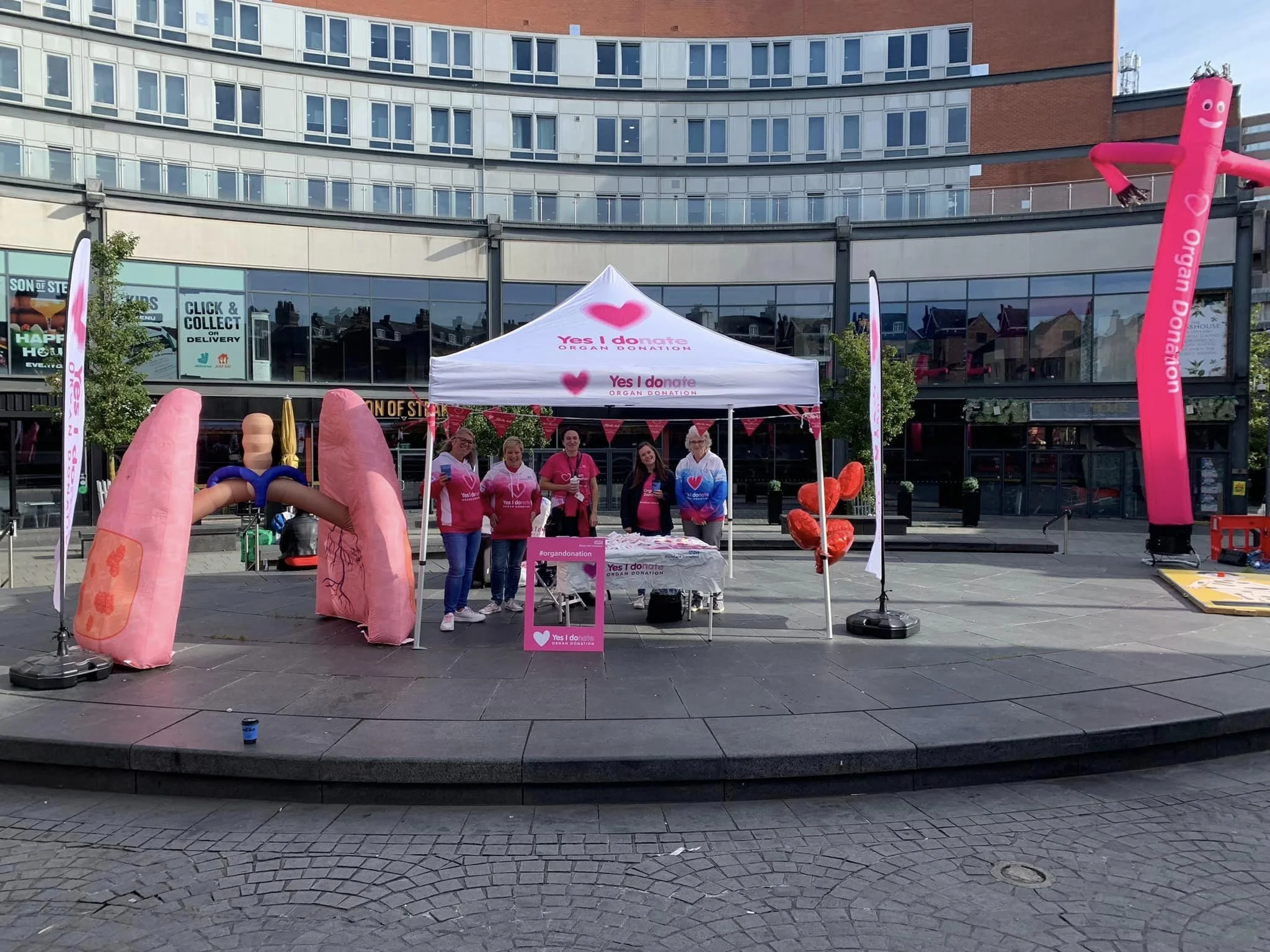
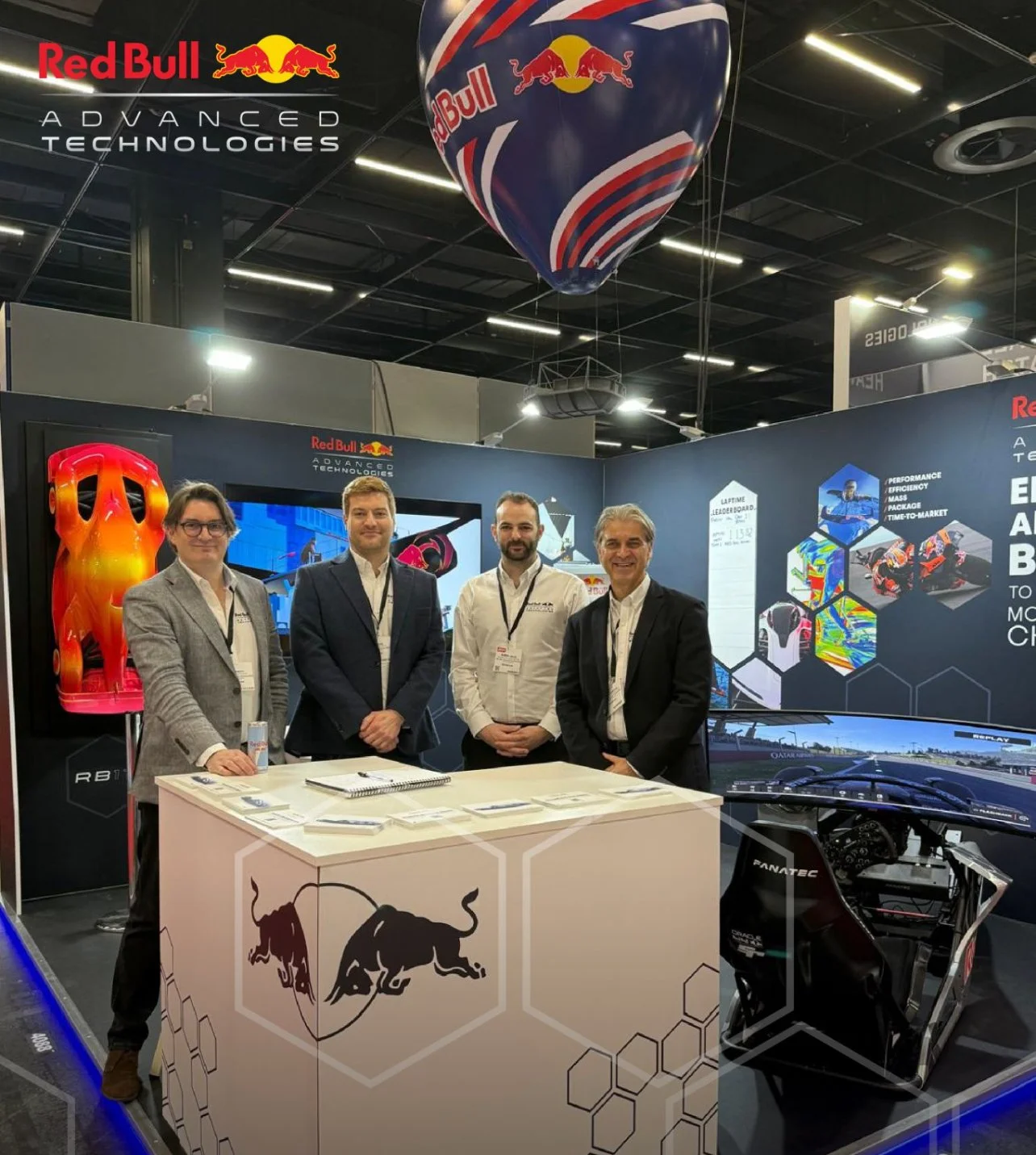
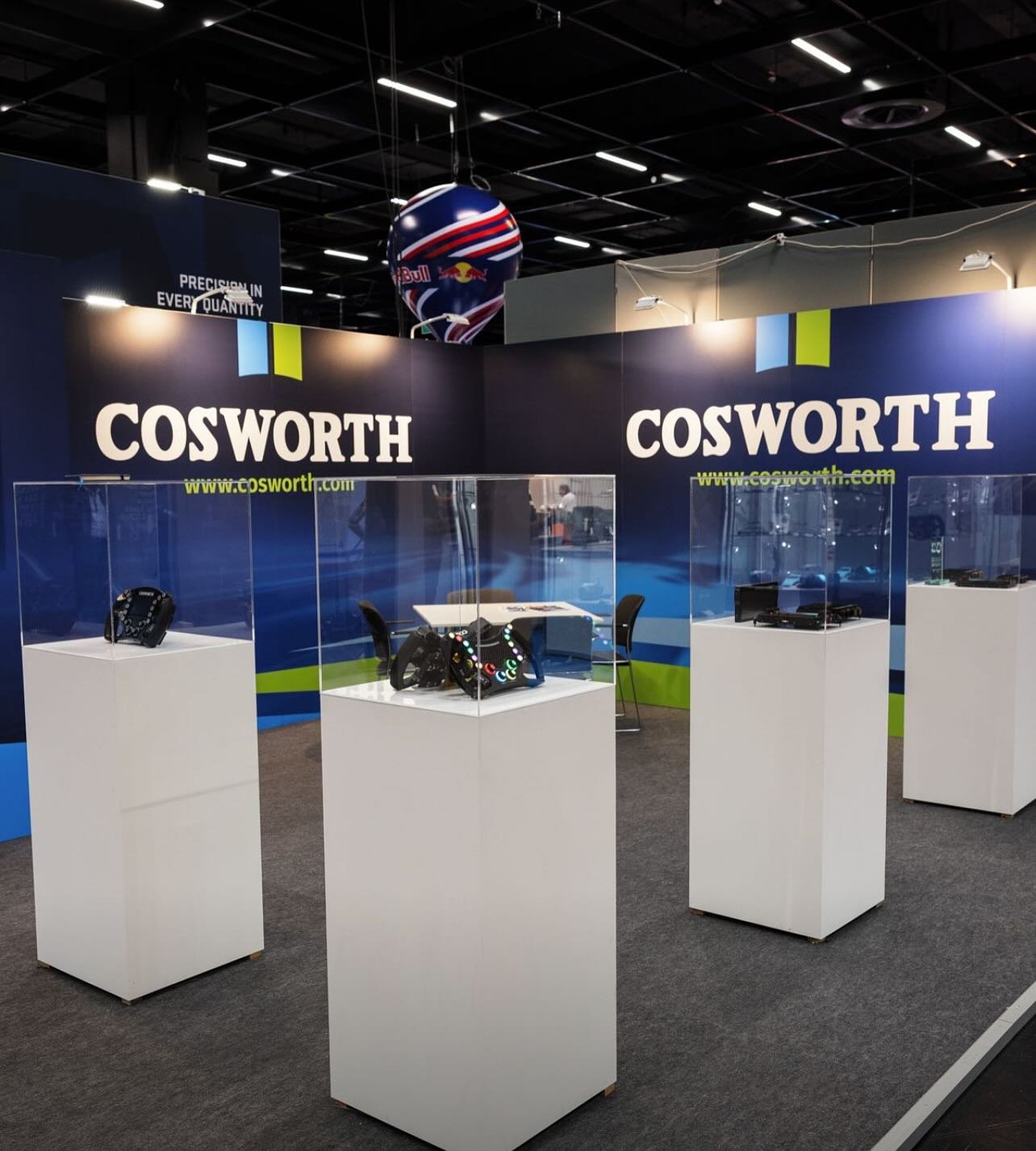
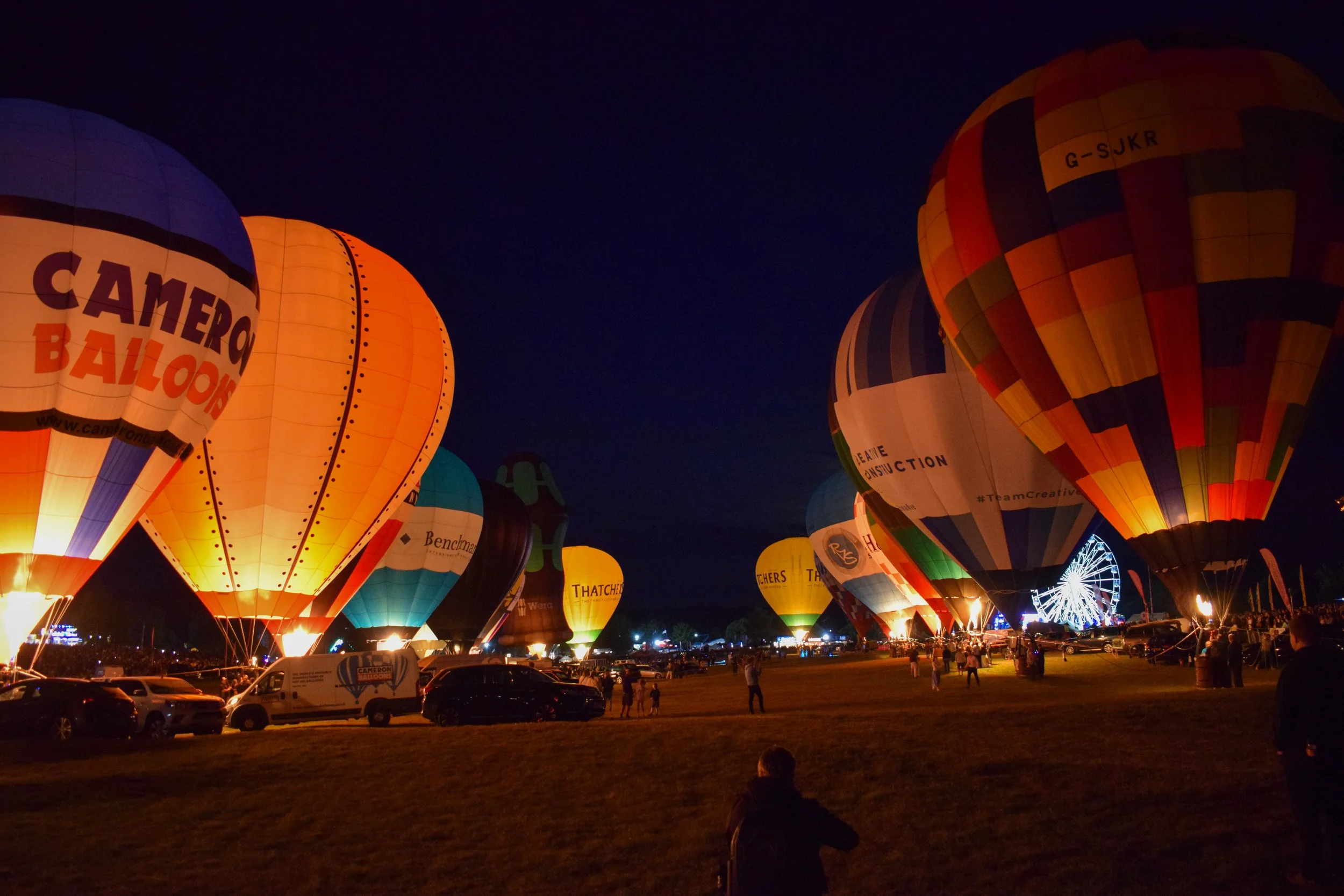
Think about height. Anything that rises above eye level, a tall display, a hanging structure, a large branded element, anything that will get noticed before the stands either side of it. This is exactly why exhibition inflatables work so well: they create scale and movement in spaces that are otherwise flat and static. Suspend a branded sphere above your stand and it's visible from across the venue; use a branded inflatable product replica and people instantly understand what you're selling, without you having to say a word.
So what are your options? A few different ways to stand out at conferences visually:
Suspended or ceiling-mounted displays visible from far across the hall
Inflatable product replicas that communicate what you do at a glance
Branded inflatable pillars or columns that frame and define your stand space
Custom inflatable characters or mascots that give people a reason to stop for a photo
Inflatable arches that signal an entrance and invite people through
Unexpected sensory touches — the smell of fresh coffee, an unusual sound, movement where everything else is still
You're not aiming for spectacle just for the sake of it. You're trying to remove the friction between someone walking past and them having a reason to stop. Anything that shortens that journey is worth your attention.
Your Stand Is Set-Dressing. Your People Are the Show.
However good your display looks, it won't close a deal on its own, your team will, and this is where a lot of exhibitors quietly let themselves down: poor briefing, not enough cover on the stand, or staff who hang back and wait instead of engaging.
Get your team standing in front of the stand, not sitting behind a counter. It sounds like a small thing, but it changes everything about how approachable you seem. Someone facing the aisle reads as open and ready to chat. Someone sitting behind a table reads as guarded, even if they don't mean to.
Brief everyone properly, including any temporary staff you've brought in just for the day. Everyone should know what your company does and what you're hoping to get out of this specific event, this needs to be second nature before the doors open. You also want your whole team confident enough to spot a likely prospect in the crowd and strike up a conversation without it feeling like a sales ambush.
A few practical things that often get overlooked:
Never leave the stand unmanned, even for a quick break, stagger your schedules so someone's always there
Branded clothing or name badges make it obvious who visitors are talking to
Comfortable shoes matter more than people admit, a long day on a hard floor takes its toll
Keep hand sanitiser visible; it's a small touch, but visitors notice it
What You Say in the First 30 Seconds Matters
Once someone stops, how you open the conversation sets the tone for everything that follows. Keep it short and clear, who you are, what you do, why you wanted to be here today. It's not a sales pitch, it's orientation. It tells the other person where they stand, which lets them relax and actually engage with you.
After that, ask more than you tell. The best conversations on a show floor aren't monologues about your product range, they're genuine exchanges where you find out what the other person is actually dealing with. That's where the real opportunities tend to surface, often somewhere you weren't expecting. A good question also tells you whether to dig deeper or move on, which matters when your time slots are short.
It's worth thinking through different questions for different types of appointment. Someone you're meeting for the first time needs a different approach to someone you already know well, treating a longstanding contact like a cold introduction can make the relationship feel oddly transactional.
Give People a Reason to Stop, and a Reason to Stay
Run a promotion or giveaway through the day and you give passing visitors a specific reason to engage, rather than just idle curiosity. A prize draw to collect business cards works well. So does a show-only discount. The exact mechanism matters less than having one, it gives the interaction a shape, a clear beginning and end.
Be honest with yourself about branded merchandise, most of it gets a bad reputation because most of it is thoughtless. A pen with your logo on it won't be remembered. But a genuinely useful item, a well-made tote bag for example, ends up carried around the rest of the show floor as a moving advert for your stand. If nobody else is handing out bags, yours becomes the one everyone's using, and that's visibility you're getting for the rest of the day at no extra cost.
Look beyond your own stand too. Many shows let exhibitors run talks, Q&As, or short presentations, either on the stand or in a dedicated space. If you're comfortable speaking, it's worth actively chasing these slots, you end up in front of the same audience in two different contexts, which is hard to beat for efficiency.
Different Ways to Stand Out at Conferences: Beyond the Stand Itself
Most advice on this topic stays focused on the stand, but some of the best ways to stand out at a conference have nothing to do with what's on your table. Here's where else to put your energy.
Bring your own people along
Exhibitors often get discounted tickets to pass on, use them. Invite an existing client or a warm prospect to attend, even covering their ticket if you can. You're no longer asking for their time at the show; you're giving them something. That changes the entire tone of the conversation you'll have with them once they're there.
Talk to the exhibitors around you
The stands either side of you aren't just competition for attention, they're a resource. Other exhibitors often know things about the event, the market, or specific contacts that you won't find anywhere else. A conversation with someone who's been coming to this show for years can be worth more than another prospect appointment, and these relationships often pay off again when you're planning for next year.
Post during the show, not just before
Most people post about an event before it happens. Far fewer post while it's actually on, which is exactly why it's worth doing, a photo of your stand, a short clip, a comment on the keynote. You'll reach people who couldn't make it and remind the ones who are there that you're around. If there's an event hashtag, jump on it; it's a fast way into conversations that are already happening.
Know your objections before you hear them
Every market has its predictable objections, price, timing, process, an incumbent relationship. Work out what yours are before you ever set foot on the show floor, so you're responding thoughtfully rather than scrambling. The worst time to think through a tricky question is the first time someone actually asks it. Prepare your answers in advance, and if a new objection comes up on the day, write it down so you can follow up on it properly afterwards.
Don't Drop the Ball After the Show
Coming home with a stack of business cards and a full inbox feels like a job well done. It's deceptively comfortable, but none of it turns into anything without follow-up, and a generic email sent to everyone three weeks later wastes the work you just put in.
Block out time in your diary for post-show outreach before the event even happens. Protecting that time is what separates exhibitors who actually get a return from those who don't. The people you met are most receptive in the first few days after the show, leave it any longer and you'll need to work harder to get their attention back.
Personalise every message you send. Mention what you actually talked about. If you promised someone a specific piece of information, send that first, before any general follow-up. If you didn't fully answer an objection on the day, address it now. Ran a prize draw? Contact the winner promptly and announce it publicly where you can.
This is also your moment to properly add new contacts to your CRM and mailing lists. Someone who gave you their card after a good conversation is genuinely warm — treat them that way from the start, rather than dropping them into a cold list.
A Few Things Worth Remembering
There's no single formula here. Two companies with identical budgets, stand sizes, and prep can walk away with completely different results, because so much rides on what you're selling, who you're selling to, and how your team performs under pressure. Still, a few things reliably separate the stands people remember from the ones they walk straight past.
A clear visual identity, positioned high enough to actually be seen. Staff who look ready to be approached rather than waiting to be left alone. A specific reason for people to stop. Real questions that build real common ground. And follow-up that treats the people you met like the warm contacts they genuinely are.
The stands people talk about afterwards are almost always doing something a bit different with their space. Maybe it's a product that stops people mid-stride, a display that brings real height and movement to a flat hall, or simply a team that's visibly sharper and better prepared than everyone around them. Often it's all three at once.
Want Help Creating That Visual Impact?
If you're looking to make some genuine noise on the show floor, Nova works with brands, agencies, and marketing teams across the UK on creative marketing solutions built specifically for exhibition environments. Here's a flavour of what's possible:
Exhibition Inflatables — custom-built for trade show conditions, designed around your ceiling height, footprint, and setup time.
Inflatable Product Replicas — giant versions of your product or packaging, for instant recognition across a crowded hall.
Inflatable Spheres — branded hanging displays you can spot from across the venue, ideal when floor space is tight.
Custom Characters & Mascots — distinctive branded characters that draw a crowd and a few good photos.
Inflatable Columns & Pillars — frame your stand and reinforce your branding at scale, indoors or out.
Custom Inflatables — got an idea that doesn't fit a standard category? The Nova team can build it.
Nova has worked on inflatable and experiential projects for brands including Red Bull, Mastercard, Netflix, NHS, Gymshark, and Ben & Jerry's, you can see the full client list here or past case studies here. If you're planning an exhibition and want to talk through ideas, get in touch with the team for a tailored quote.